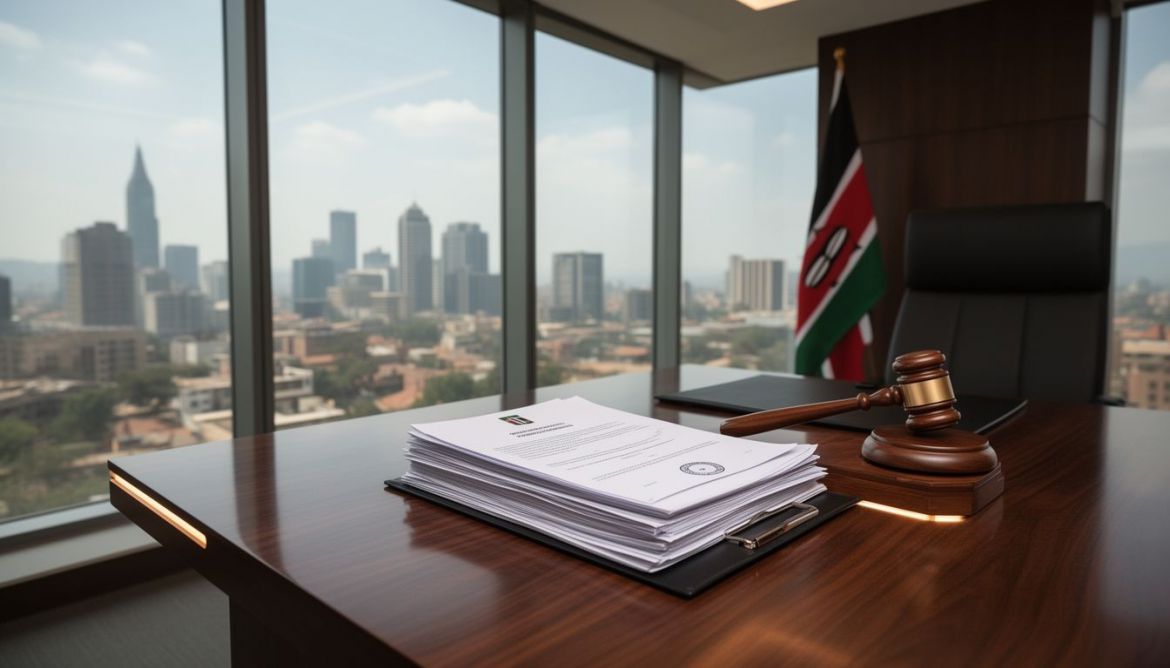
Securing Compensation for Police Misconduct in Kenya
If you have suffered due to police misconduct and are looking to file police misconduct compensation claims Kenya lawyers, Mwenda Njagi & Co. Advocates & Mediators is your experienced partner. Police misconduct, encompassing actions like excessive force, wrongful arrest, defamation, or unlawful detention, can result in significant physical, emotional, and financial damages. Kenya's legal system recognizes the right of individuals to seek compensation for violations of their constitutional rights and for harm caused by the actions of state agents. Our firm is committed to advocating for victims of police misconduct across Kenya, ensuring they receive the justice and compensation they are entitled to under the law.
Legal Avenues for Police Misconduct Compensation in Kenya
Kenya's legal framework provides multiple avenues for pursuing compensation for police misconduct. The Constitution of Kenya 2010 is central, particularly Articles 20, 21, 22, 23, 27, 29, and 47, which guarantee fundamental rights and freedoms and the right to seek redress. The Protection Against Domestic Violence Act, 2015, and specific tort laws like defamation, assault, and false imprisonment are also relevant. Furthermore, the Independent Policing Oversight Authority (IPOA) Act, 2011, facilitates the investigation of complaints and can recommend disciplinary or criminal proceedings. Civil litigation for damages, often initiated through constitutional petitions or judicial review proceedings in Kenyan courts, is a primary method for seeking monetary compensation. Mwenda Njagi & Co. Advocates & Mediators possesses the expertise to navigate these complex legal pathways effectively.

Process and Requirements for Compensation Claims in Kenya
Filing police misconduct compensation claims in Kenya requires a systematic approach to evidence collection and legal procedure. Key steps involve: 1. Documenting the incident: Gather all details, including dates, times, locations, names of officers (if known), and a precise description of the misconduct. 2. Evidence collection: Obtain witness statements, medical reports (if injuries occurred), photographs, videos, and any official correspondence related to the incident. 3. Legal consultation: Engage experienced lawyers like Mwenda Njagi & Co. Advocates & Mediators to assess the viability of your claim. 4. Filing the claim: This typically involves filing a constitutional petition or a civil suit in the appropriate Kenyan court, or a formal complaint with IPOA. Adherence to statutory limitation periods is crucial. Our firm ensures all legal requirements are met for a robust claim.
Legal Representation in Kenya
Mwenda Njagi & Co. Advocates provides legal advisory and court representation across Kenya and all 47 counties in Kenya.
Legal Fees and Practicalities for Compensation Claims (KES)

The legal fees for police misconduct compensation claims in Kenya are structured to be fair and transparent, especially considering the potential financial and emotional toll on victims. Mwenda Njagi & Co. Advocates & Mediators typically charges an initial consultation fee (in Kenyan Shillings - KES) to evaluate the case and discuss potential outcomes. Subsequent fees might be based on hourly rates or a success fee arrangement, where a percentage of the compensation awarded is agreed upon. This ensures our interests are aligned with yours. We provide detailed fee structures and payment plans upfront, making the process of seeking justice more manageable. Discuss your case and fee options during your consultation.