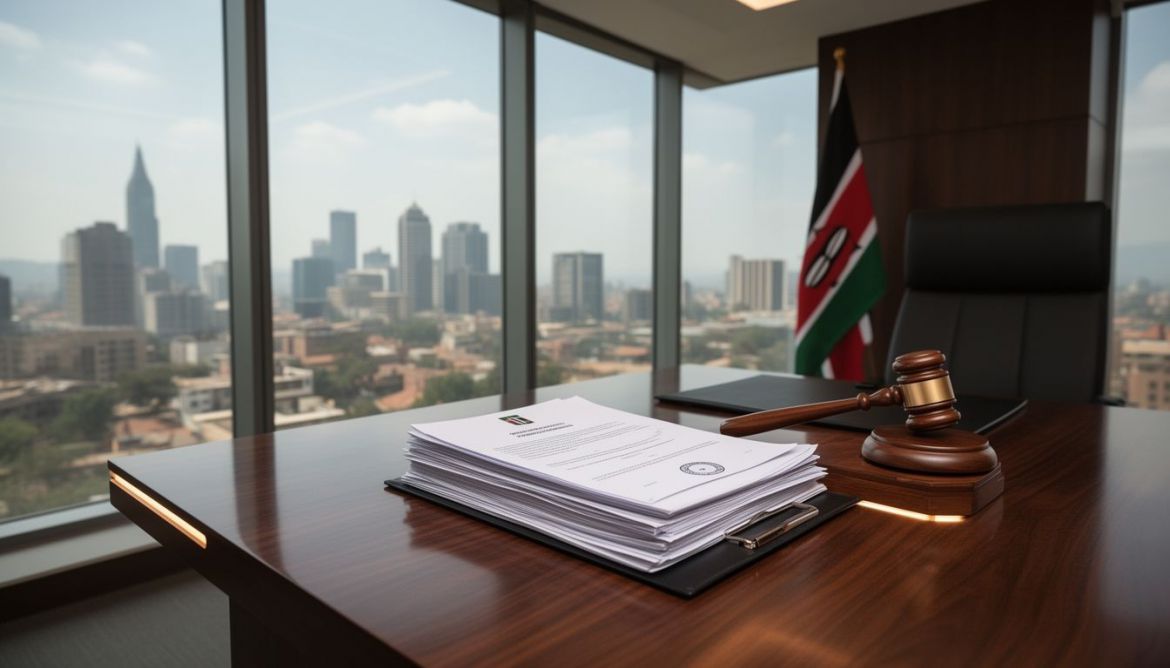
Building Your Case: Evidence for Police Misconduct Lawsuits
To successfully pursue a police misconduct lawsuit in Kenya, understanding precisely what evidence is needed for police misconduct lawsuit Kenya is paramount. Mwenda Njagi & Co. Advocates is at the forefront of assisting clients in gathering and presenting compelling evidence to hold law enforcement accountable. This guide details the types of proof that form the bedrock of a strong claim, ensuring your pursuit of justice is well-supported.
Legal Framework Governing Police Misconduct and Evidence in Kenya
In Kenya, the legal framework for addressing police misconduct is anchored in the Constitution of Kenya, 2010, which guarantees fundamental rights and freedoms. Statutes like the National Police Service Act, 2011, and regulations governing police conduct, provide the basis for claims. The Evidence Act (Cap. 80) dictates the admissibility and weight of evidence presented in court. When a lawsuit is filed, whether in the High Court or subordinate courts, the burden of proof lies with the claimant to demonstrate that misconduct occurred and caused harm. Key entities like the Independent Policing Oversight Authority (IPOA) can also play a role in investigations, with their findings potentially serving as corroborating evidence, though they do not replace judicial proceedings. Mwenda Njagi & Co. Advocates ensures all evidence gathered meets these stringent legal requirements.

Types of Evidence for a Successful Lawsuit
The types of evidence crucial for a police misconduct lawsuit in Kenya are diverse and depend on the specific nature of the misconduct. This includes: Physical Evidence such as photographs or videos of injuries, property damage, or the incident itself. Medical Records detailing any injuries sustained, including doctor's reports, diagnostic scans, and treatment histories from facilities like those in Nairobi. Witness Statements from individuals who observed the misconduct, ideally in sworn affidavit form. Official Documentation such as Occurrence Book (OB) entries, complaint forms lodged with the police or IPOA, arrest records, and court documents. Digital Evidence such as CCTV footage from the scene or recovered from body-worn cameras (if applicable and accessible). Expert Testimony from medical professionals or other specialists to corroborate claims of harm. Mwenda Njagi & Co. Advocates meticulously collects and organizes this evidence to build an irrefutable case.
Legal Representation in Kenya
Mwenda Njagi & Co. Advocates provides legal advisory and court representation across Kenya and all 47 counties in Kenya.
Costs and Fees for Litigation in Kenya

The financial considerations for pursuing a police misconduct lawsuit in Kenya are clearly outlined by Mwenda Njagi & Co. Advocates. Our fee structure in KES is transparent, typically involving a consultation fee and subsequent legal charges based on the case's complexity and progression. Clients can expect detailed breakdowns of disbursements, such as court filing fees, process serving, and the costs of obtaining certified evidence. While precise figures vary, we aim to provide value and clarity regarding the investment required to achieve justice in Nairobi and other parts of Kenya.