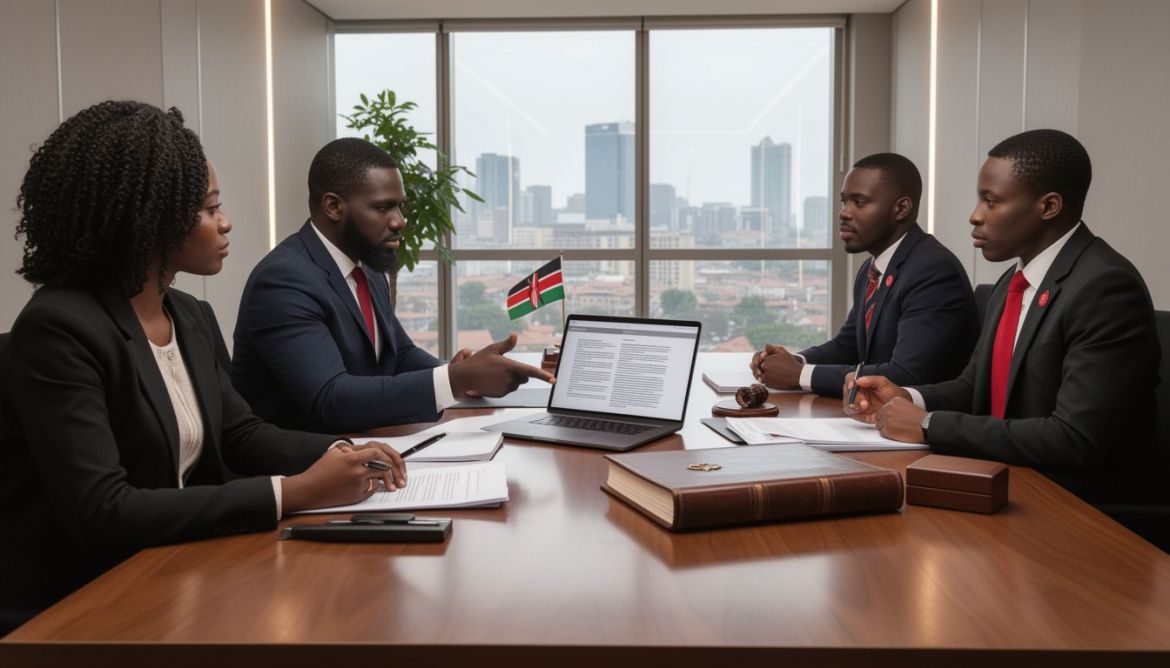
Understanding Your Rights Against Police Misconduct in Nairobi
Seeking legal aid for police brutality victims in Nairobi is a crucial step towards justice and accountability. Mwenda Njagi & Co. Advocates understands the profound trauma and injustice suffered by those subjected to police misconduct, unlawful arrest, excessive force, or torture. In Kenya, every citizen is protected by the Constitution against such violations, and securing expert legal representation is paramount. We are dedicated to providing comprehensive support and strategic legal counsel to help victims in Nairobi navigate the complexities of their cases, ensuring their rights are upheld and perpetrators are brought to account. Our firm offers a clear path to redress.
Key Legal Frameworks Protecting Victims in Kenya
Victims of police brutality in Nairobi are afforded robust protections under various Kenyan laws and international conventions. The primary legal framework is the Constitution of Kenya, 2010, particularly Article 29, which guarantees freedom from torture, cruel, inhuman or degrading treatment or punishment, and Article 49, detailing rights of arrested persons. The National Police Service Act and the National Police Service (Complaints and Internal Discipline) Regulations, 2015, outline the conduct expected of police officers and the procedures for addressing complaints against them. Furthermore, the Independent Policing Oversight Authority (IPOA) Act, 2011, establishes IPOA as a civilian oversight body tasked with investigating police misconduct and making recommendations for prosecution or disciplinary action. Other critical statutes include the Penal Code, which defines criminal offences that may be committed by officers, and the Evidence Act, crucial for establishing facts in court. Our firm leverages these statutes, alongside international human rights treaties ratified by Kenya, to build strong cases for victims seeking compensation and accountability for actions such as unlawful detention, excessive use of force, or extrajudicial killings. We ensure all legal requirements are met for effective redress.

Procedure and Requirements for Filing a Complaint
For police brutality victims in Nairobi, the process of seeking legal redress involves several critical steps and documentation. Firstly, it is imperative to gather all available evidence: medical reports detailing injuries, witness statements, photographs, videos, and any records of unlawful arrest or detention. The initial complaint can be filed with the Independent Policing Oversight Authority (IPOA), the Kenya National Commission on Human Rights (KNCHR), or directly with the police internal affairs unit. For severe cases, a formal report at a police station and subsequent criminal proceedings can be initiated. Simultaneously, victims can pursue a civil suit in the High Court of Kenya for monetary compensation for damages suffered, including pain, suffering, and loss of earnings. This requires legal representation to draft and file court documents, collect affidavits, and present the case effectively. Mwenda Njagi & Co. Advocates guides clients through every procedural requirement, from complaint registration and evidence collection to court litigation, ensuring compliance with all legal deadlines and protocols in Nairobi courts. We assist with preparing comprehensive documentation.
Legal Representation in Nairobi, Kenya
Mwenda Njagi & Co. Advocates provides legal advisory and court representation across Nairobi, Kenya and all 47 counties in Kenya.
Cost, Fees, and Practical Guidance for Victims

The prospect of legal costs is a significant concern for police brutality victims in Nairobi. Mwenda Njagi & Co. Advocates strives to make justice accessible. Legal fees for police brutality cases can vary widely depending on the complexity, duration, and specific legal services required. Our firm operates on a transparent fee structure, often offering initial consultations to assess your case without charge. For qualifying cases, we may consider a contingency fee arrangement, where our legal fees are a percentage of the compensation awarded, meaning you pay no upfront legal fees until your case is successfully resolved. Disbursements, such as court filing fees (which can range from KES 1,000 to KES 10,000+), medical report costs (KES 2,000-KES 15,000+), and investigation expenses, are typically borne by the client but can sometimes be recovered from the losing party. We provide a detailed estimate of potential costs upfront. We also advise on applying for pro bono legal services through the Law Society of Kenya (LSK) if financial constraints are severe, though such opportunities are limited. Our focus is on securing fair compensation and accountability for victims.