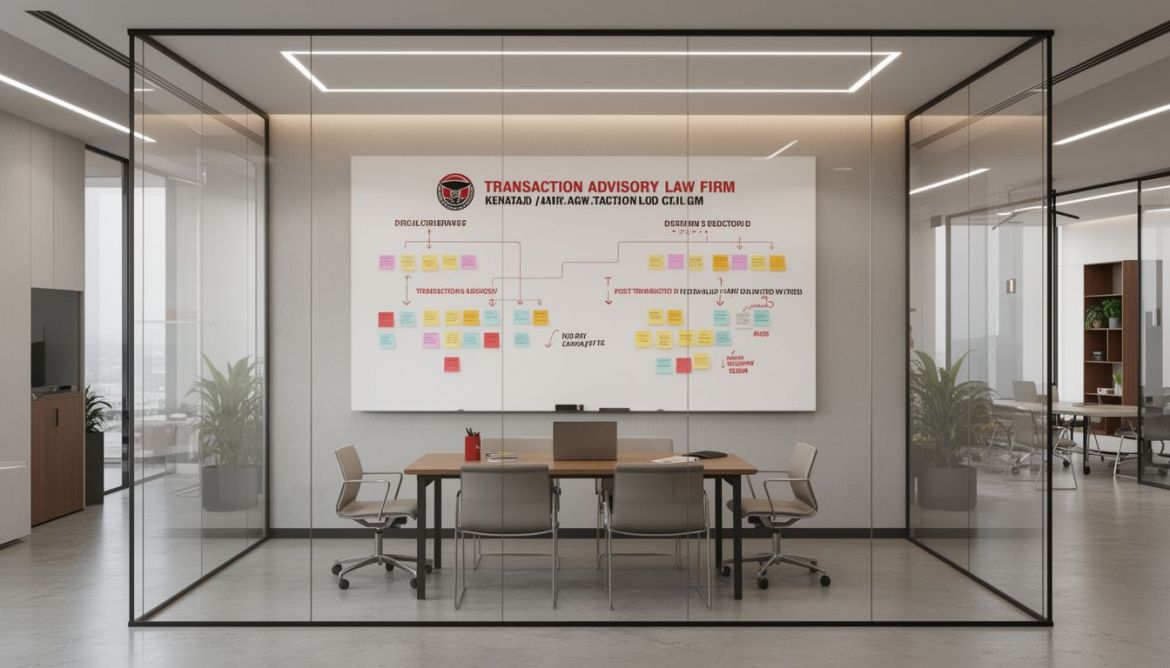
Understanding the Legal Framework for International Debt Recovery in Kenya
Navigating the legal procedure for international debt recovery Kenya requires a strategic and informed approach. Mwenda Njagi & Co. Advocates & Mediators possess the expertise to guide international creditors through Kenya's complex legal landscape, ensuring compliance with local statutes and maximizing recovery prospects. Our firm leverages deep knowledge of Kenyan commercial law and civil procedure to address cross-border debt challenges effectively. We understand the nuances of foreign judgments, contractual enforcement, and the unique considerations involved when debt crosses national borders, offering tailored solutions to protect your financial interests.
Key Legal Frameworks Governing Debt Recovery in Kenya
Successfully pursuing international debt recovery in Kenya hinges on understanding several critical legal frameworks. These include the Civil Procedure Act (Cap. 21) and the Evidence Act (Cap. 80), which govern court proceedings and admissible evidence, respectively. For debts arising from commercial transactions, the Sale of Goods Act (Cap. 31) and the Contracts Act, 2012 are foundational. Crucially, if a foreign judgment has been obtained, the Foreign Judgments (Reciprocal Enforcement) Act (Cap. 43) dictates the process for its recognition and enforcement in Kenyan courts, often requiring certification from the originating country's judicial authorities. Understanding these statutes, alongside relevant case law and procedural rules of the High Court of Kenya, is paramount. Mwenda Njagi & Co. Advocates & Mediators are adept at applying these laws to secure favourable outcomes for our international clientele.

Step-by-Step Procedure for International Debt Recovery in Kenya
The legal procedure for international debt recovery in Kenya typically involves several key stages. Initially, a thorough due diligence and asset tracing exercise is conducted to identify the debtor's assets within Kenya. This is followed by pre-litigation efforts, which may include sending formal demand letters to the debtor, often drafted by legal counsel to emphasize the seriousness of the claim. If amicable resolution or settlement is not achieved, the next step is initiating legal proceedings in the Kenyan courts. This could involve filing a suit for recovery of the debt, or where applicable, seeking enforcement of a foreign judgment. Documentation is critical throughout this process, requiring sworn affidavits, supporting contracts, invoices, and any relevant correspondence. Compliance with procedural timelines and rules of court, such as those stipulated by the Civil Procedure Rules, is essential for a smooth process. Mwenda Njagi & Co. Advocates & Mediators ensure meticulous attention to detail at every step.
Legal Representation in Kenya
Mwenda Njagi & Co. Advocates provides legal advisory and court representation across Kenya and all 47 counties in Kenya.
Understanding Costs and Fees for Debt Recovery in Kenya

The costs associated with international debt recovery in Kenya can vary significantly based on the complexity of the case, the amount of debt, and the legal strategy employed. Our fee structure at Mwenda Njagi & Co. Advocates & Mediators is transparent and competitive. We typically operate on a combination of professional fees, which may include hourly rates or a fixed fee for specific stages, and disbursements. Disbursements cover out-of-pocket expenses such as court filing fees (variable based on claim value, often a percentage of the debt), process server fees, and expert witness fees. For enforcement of foreign judgments, there may be additional certification costs. We provide detailed fee estimates upfront, ensuring our clients are fully informed of the potential financial outlay. Our goal is to achieve cost-effective recovery, offering value for the investment made.