Resolving Business Conflicts Amicably in Westlands Through Mediation
Business conflicts in the vibrant commercial hub of Westlands, Nairobi, can disrupt operations and strain relationships. Mwenda Njagi & Co. Advocates offers specialized mediation services for business conflicts, providing a neutral and structured environment for parties to reach mutually agreeable solutions. Our experienced mediators are adept at navigating complex commercial disagreements, helping businesses in Westlands to preserve relationships, save costs, and achieve swift, confidential resolutions outside of court. We are committed to delivering results with uncompromising integrity, making us your trusted partner in dispute resolution.
The Benefits of Mediation for Business Disputes in Westlands
Mediation, a cornerstone of Alternative Dispute Resolution (ADR), offers significant advantages over traditional litigation for business conflicts in Westlands. It is a confidential process, ensuring business strategies and sensitive information remain private, unlike public court proceedings. Mediation allows parties greater control over the outcome, fostering collaborative problem-solving rather than imposing a judicial decision. This can preserve valuable business relationships crucial for ongoing partnerships and supply chains. Furthermore, mediation is generally faster and more cost-effective than litigation. Kenyan legislation, including the Civil Procedure Act (Cap 21), actively encourages the use of ADR, recognizing its efficiency in resolving disputes.
Our Mediation Process for Business Conflicts
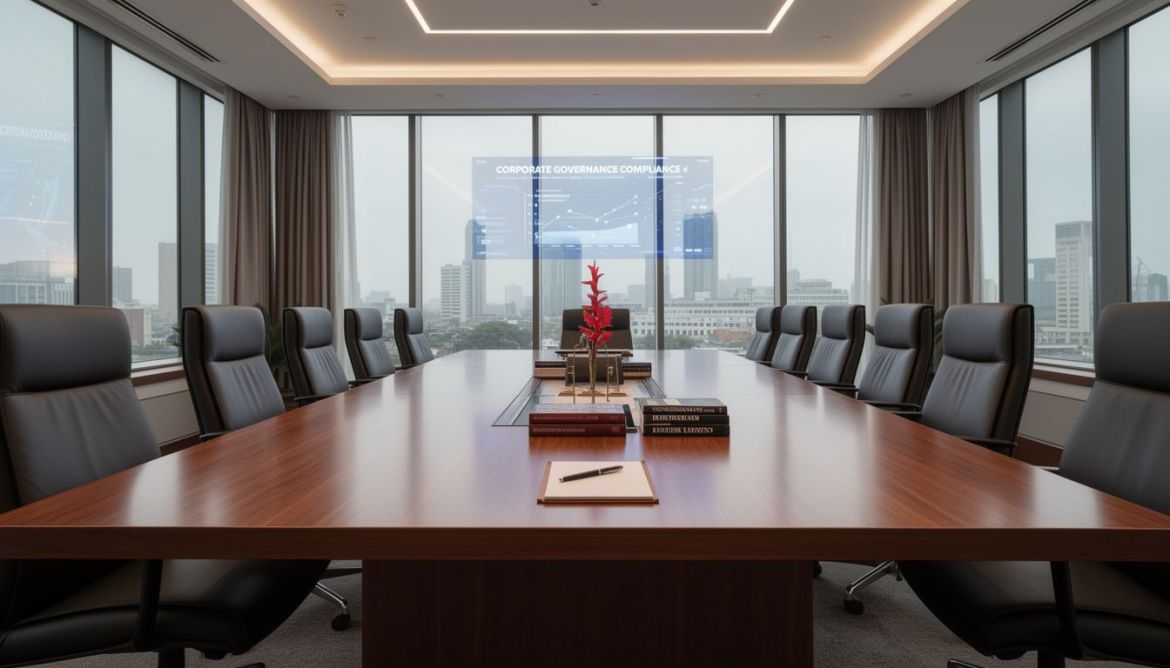
The mediation process facilitated by Mwenda Njagi & Co. Advocates for business conflicts in Westlands is designed for clarity and effectiveness. It typically begins with an initial joint session where each party presents their perspective. The mediator then facilitates separate private sessions (caucuses) with each party to explore underlying interests and potential solutions. The mediator does not make decisions but guides the parties towards a consensus. This structured approach, guided by principles of impartiality and confidentiality under frameworks like the Mediation Act, 2011, ensures all aspects of the dispute are addressed. We focus on identifying common ground and crafting legally sound settlement agreements.
Investment in Mediation: Fees and Expected Outcomes

Investing in mediation services for business conflicts in Westlands offers a more predictable and often lower financial outlay compared to protracted litigation. Our mediation fees are structured to be accessible and value-driven. A typical mediation session might involve a fee of KES 20,000 to KES 50,000 per hour, shared between the parties, or structured based on the complexity of the dispute. This covers the mediator's time, preparation, and the facilitation of discussions. While litigation costs can run into hundreds of thousands, mediation fees are a fraction of that, often resolving disputes within a few sessions. The ultimate agreement achieved through mediation is legally binding upon formalization, providing certainty and closure.